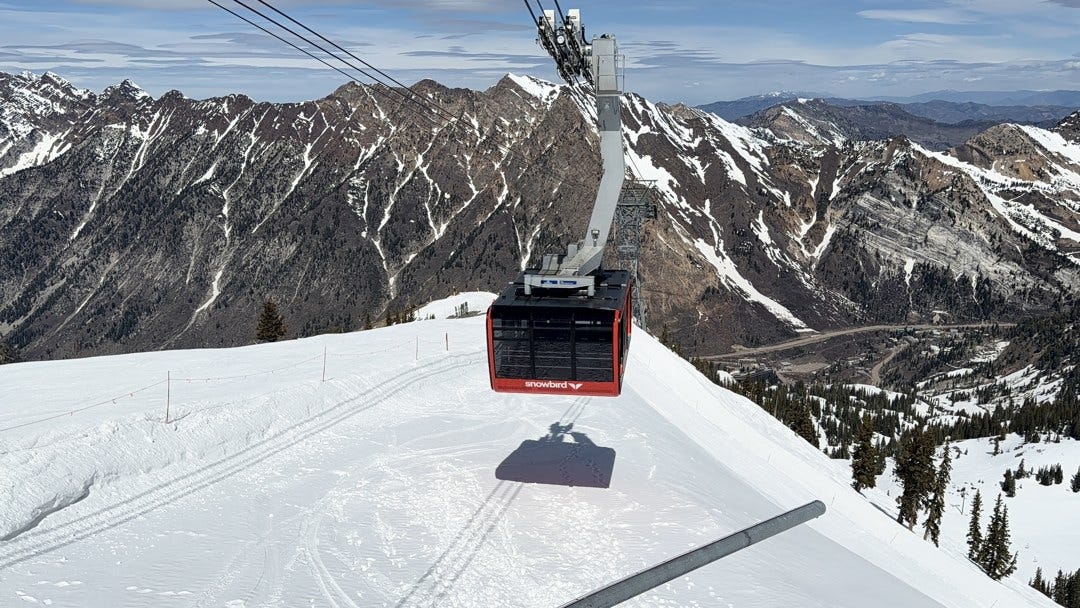
Skiers love to complain. It is practically an offseason conditioning program.
Spend ten minutes on ski forums or social media in late October and you would think the sport is dying. Everything was better in 1994. Passes ruined the canyons. Traffic is impossible. Corporate conglomerates own everything. Nobody has soul anymore.
I am not here to hedge or play polite mountain-town politics. Here is the truth nobody wants to say out loud because misery gets more clicks: we are living in the absolute golden age of skiing.
And if you want to see the whole board, what is working, what needs to be torn down and rebuilt, and where the soul of this sport actually lives, you start in Salt Lake City.
1. Salt Lake City Is the Undisputed Capital of North American Skiing: Hat Tip to Frisco and Silverton, But Check the Odometer
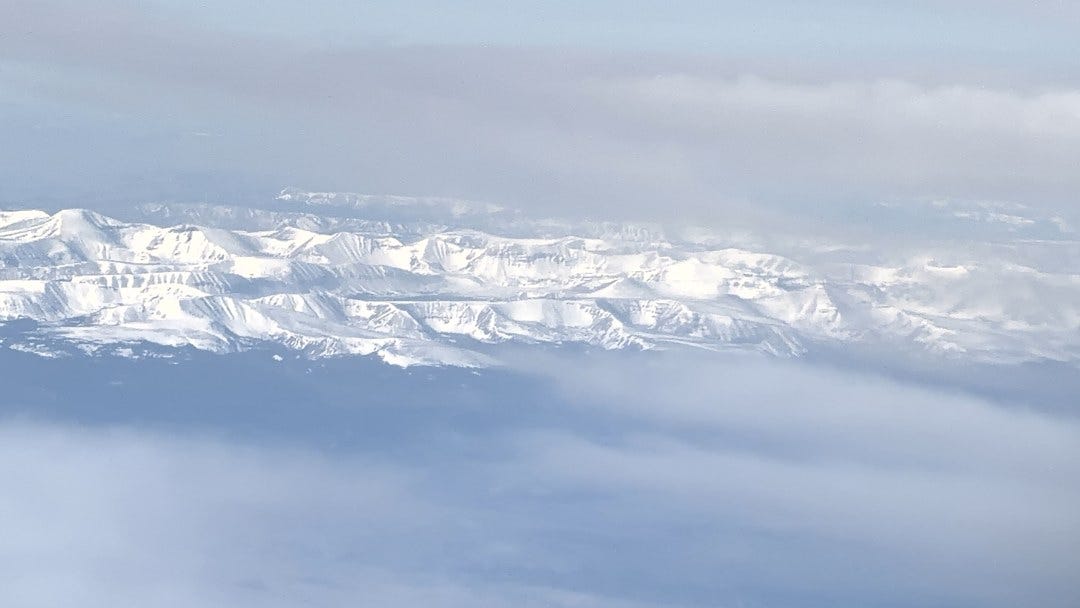
Every year somebody tries to get cute with the “Best Ski Town in North America” rankings.
Listen: hat tip to Frisco, Colorado. Sitting in the middle of Summit County with Copper, Breck, Keystone, A-Basin, Loveland, and Vail in your backyard is elite. Hat tip to Silverton, where the San Juans are as steep, raw, and terrifyingly good as anything on the continent.
But you are too far from the airport.
If you are an actual working skier with a career and a family, the only metric that matters is wheels-down to first chair. In Colorado, landing at Denver International Airport out on the Kansas plains is just the halfway mark of your trip. You still have the rental car shuttle bus, the trek across the Denver sprawl, the I-70 Eisenhower Tunnel lottery, and white-knuckling over Loveland or Red Mountain Pass behind a jackknifed semi.
In Salt Lake City, you walk off the jetbridge at a brand-new international airport and you are 35 to 60 minutes from the mouth of Little Cottonwood Canyon for Alta and Snowbird, Big Cottonwood Canyon for Brighton and Solitude, Park City and Deer Valley up Parleys, Snowbasin and Powder Mountain to the north, or Sundance tucked right under the east face of Mount Timpanogos to the south.
Nine world-class mountains. 500-inch dry Wasatch storm cycles. An hour or less from a major Delta hub where you can sleep at 4,500 feet and still take a 7:00 AM East Coast call before clicking into your bindings. Salt Lake City is the best place for skiers in North America. Period.
2. Matthew Prince Is Bruce Wayne Until Someone Proves He Is Lex Luthor, and Rob Katz May Need to Go
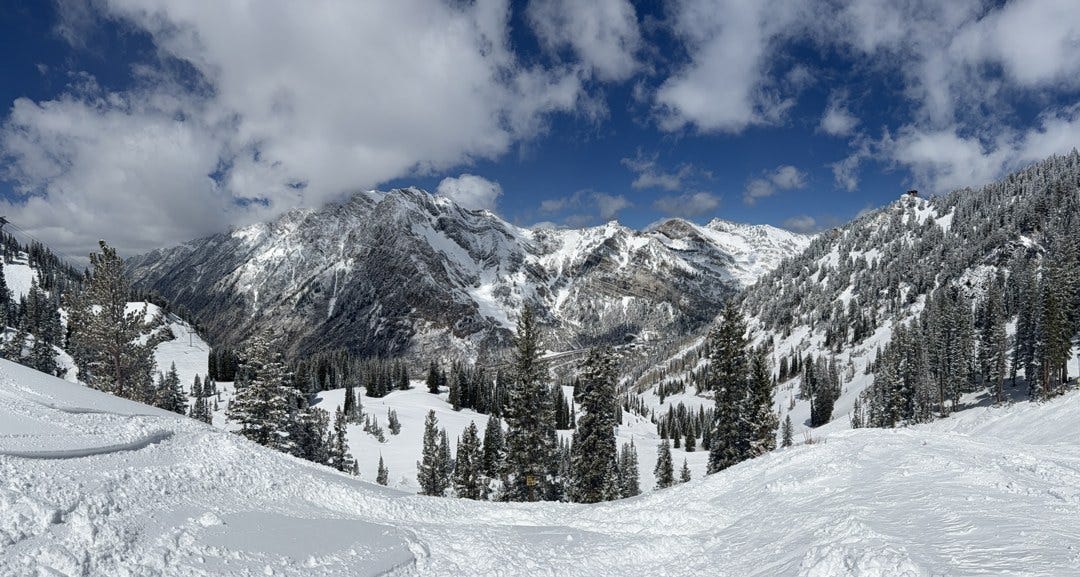
Now let’s talk about the giant corporate eyesore sitting on the backside of the Wasatch crest: Vail Resorts’ ownership of Park City Mountain Resort.
Under Vail, Park City has become the poster child for distant corporate extraction: $300-plus walk-up window tickets, toxic local town relations, killed lift upgrades, ski patrol strikes, and a Broomfield C-suite trying to defend a stock ticker at the expense of the mountain.
Enter Matthew Prince.
Here is where I stand: Matthew Prince is Bruce Wayne until someone proves to me he is Lex Luthor.
Prince isn’t some private-equity tourist looking to flip real estate. He is a real skier, a former ski instructor who actually lives in Park City, loves the town, and has real billionaire resources as the CEO of Cloudflare to buy Park City Mountain Resort and run it the way a flagship mountain deserves to be run. Honestly, if I had more time on my hands, I would volunteer to help organize the community and grassroots effort to make this deal happen.
Vail is completely short-sighted not to find a way to turn a sale to Prince into a massive win. They could walk away with a huge capital infusion, keep Park City on the Epic Pass as a partner resort so they don’t lose a single passholder, and get out from under a town that actively despises them.
Why won’t they? Pride. And frankly, Rob Katz may need to go for this to stop being a personal ego battle and become the obvious, rational business decision it is. When an executive’s personal legacy is tied to never admitting a flagship acquisition went sour, shareholders and skiers both lose. Cut the ego, cash the check, keep the Epic Pass partnership, and sell Park City to Matthew Prince.
3. Build the Gondola, and If I Don’t Get the Interconnect, Build One in Both Canyons
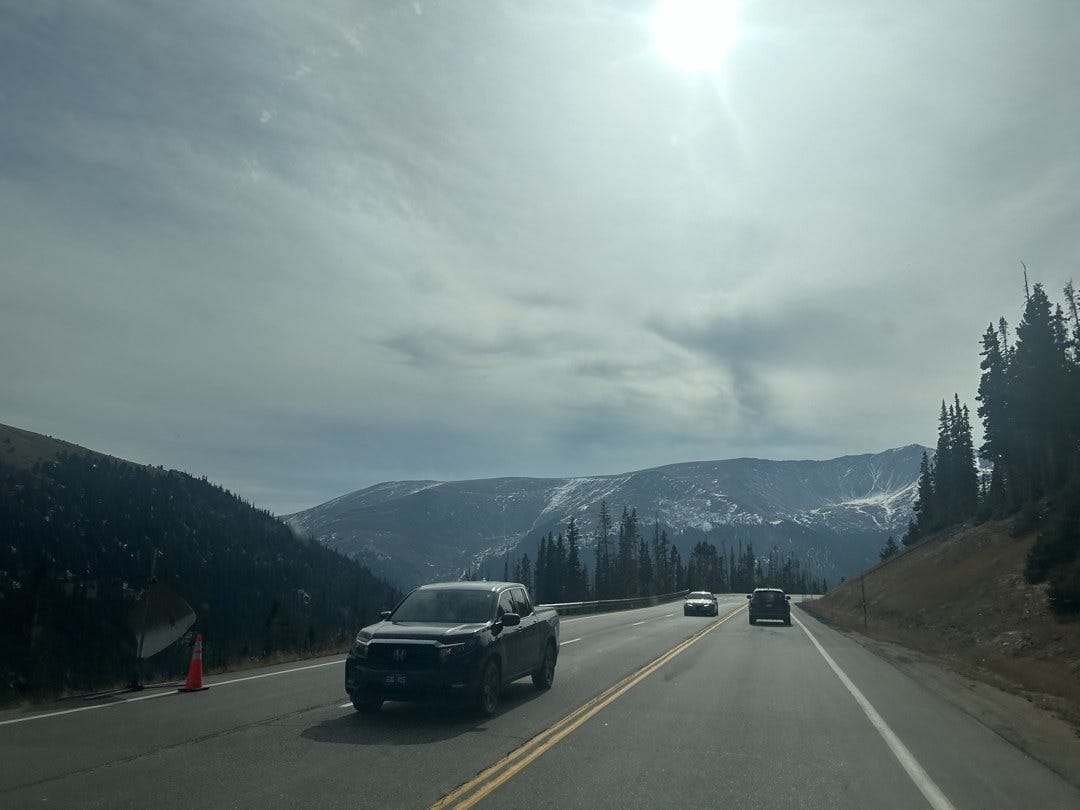
While I am slaying Utah sacred cows: I want the gondola.
Not a half-measure. First choice? Give me the full Wasatch Interconnect Gondola linking Park City, Big Cottonwood, and Little Cottonwood across the ridgelines the way the Europeans have been doing in the Alps for half a century. Seven resorts sit within a couple of miles of each other as the crow flies, and Utah still forces tens of thousands of skiers to drive all the way down to the valley floor and back up another canyon like it’s 1968.
And if I don’t get the Interconnect gondola? Then I want the Little Cottonwood Canyon gondola, and I want a gondola for Big Cottonwood Canyon too.
The “No Gondola” bumper-sticker crowd is living in a fantasy land. Putting more buses on a two-lane canyon road does nothing when the road is buried under an avalanche path, closed for artillery control, or blocked by one guy in a rented crossover spinning out at the S-curve. Buses sit in the exact same gridlock as cars. Aerial ropeways fly over the avalanche paths, run on electricity, and take cars off the pavement permanently. Build the Interconnect, or build gondolas up both LCC and BCC. Stop apologizing for real mountain infrastructure.
4. Admit It: We Are Living in the Golden Age of Skiing
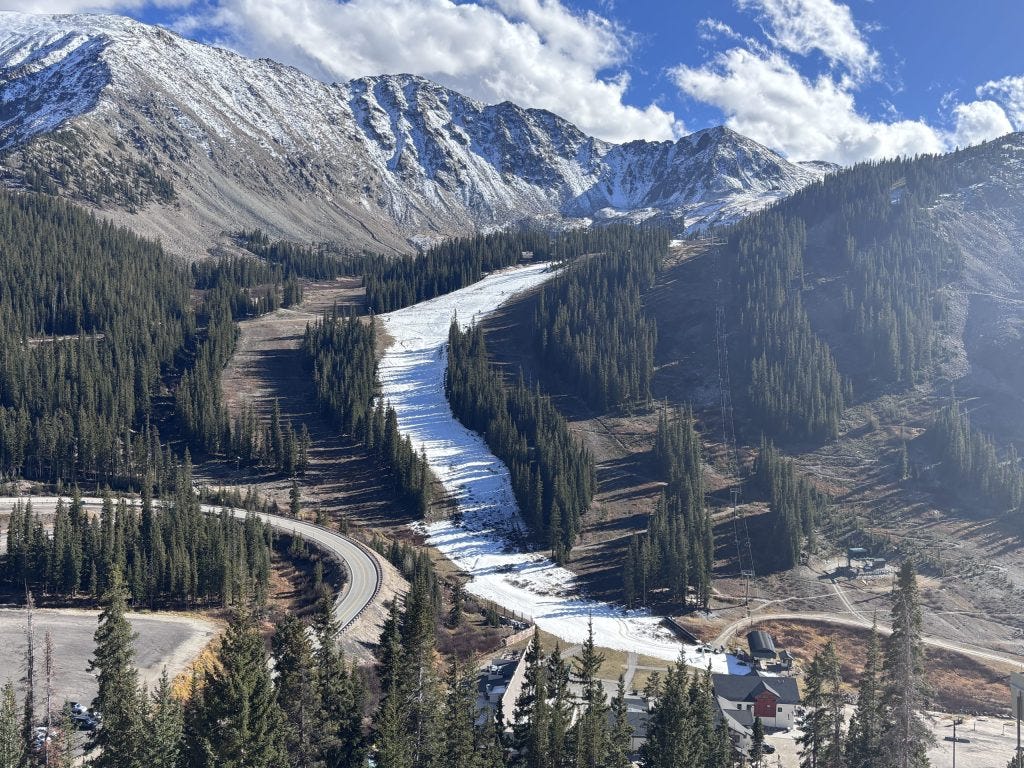
Step back from the complainers and look at what skiers actually have right now in 2026. We are living in the golden age of skiing:
Pass Prices and Availability: Walk-up window tickets are a tax on people who didn’t plan ahead, sure. But if you buy a season pass like Epic, Ikon, Indy, or a local mountain pass, the cost per day to ski dozens of the best mountains on earth is cheaper in real dollars than a single-mountain pass was twenty-five years ago.
Gun Running and Gun Powder: Modern automated snowmaking, means resorts can pounce on a four-hour pre-dawn wet-bulb window and blast enough high-density gun powder to open in October and hold a bulletproof base straight through May.
Weather Forecasting: You don’t guess anymore. Between mountain meteorologists like Chris Tomer on my SMC Mountain Weather Desk, high-resolution National Weather Service gridded models, OpenSnow, and live 3:00 AM mountain webcams on the SMC Ski Area Cameras Directory, you can track a storm cycle down to the hour and the elevation band five days out.
Audience-Driven Ski Media With Zero Corporate Gatekeepers: You don’t have to sit by your mailbox waiting for Powder or SKI magazine to arrive anymore, and you sure as hell don’t go to a travel agent to figure out where to ski. You hit YouTube, podcasts, and Substack, where real skiers build trust directly with the audience:
Blister is the blueprint for value creators that are not purchased by brands: dropping podcasts twice a week, publishing a legit Buyer’s Guide with zero pay-for-play, offering an insurance product in Blister+ that actually covers you for the sport you love, and hosting their annual Blister Summit right at Snowbird this year, putting regular skiers on the snow with brand founders, engineers, and athletes at some of the best terrain in North America. These guys have personal opinions that come through all the time and they are sadly western skiers who in addition to having no idea about what the east has to offer seem to have little interest in finding out… (this shot at them is intended to be motivating)… Their (sometimes wrong) opinions are an invitation to a conversation they are willing to have. It’s a feature not a bug.
Stuart Winchester at The Storm Skiing Journal is completely on fire right now. Between his new move into video, an aggressive posting schedule that outworks every legacy newsroom in the country, and fearless deep dives on lift infrastructure, multi-pass strategy, and resort ownership, Stuart is running laps around old-school ski media.
Want to know where to book your next trip? You skip the travel agent and go straight to PeakRankings on YouTube, where they have built massive trust grading mountains honestly on snow, lifts, and terrain.
People are telling real, personal stories again: Ski Patrol Notes on Substack takes you inside life on patrol, while Rickety Ski Reviews is out there dropping honest gear reviews from underneath his kids’ jungle gym or inside his shed.
Alex Hackel takes you right inside his skiing and his real-time grind to make it as a freeride skier.
The Ski Moms speak directly to a critical demographic of skiers and the ultimate ski-world support team: the moms who make the whole family operation happen.
And the greatest athletes in the sport, including Lindsey Vonn, Mikaela Shiffrin, and Nick Goepper, don’t wait for a corporate magazine profile anymore. They speak directly to their fans every day.
5. The East Has a Stronger Ski Culture Than the West
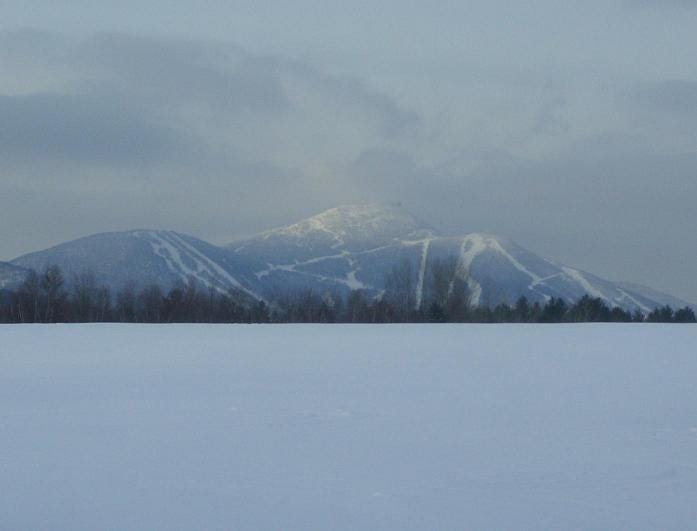
One last grenade before I click in: the East has a stronger ski culture than the West.
Western skiers are spoiled by geography. Anyone can look soulful when Mother Nature drops sixteen inches of blower powder overnight and the sun comes out at 9:30 AM.
In the East, skiing isn’t a lifestyle accessory. It is a street fight.
Eastern ski culture is driving three hours in the dark through freezing rain because the rain-snow line might drop at Stowe, Killington, Jay Peak, or Sugarloaf. It is tuning your own edges in the basement so you can carve loud, blue New England gun powder at 10°F with a 40-mph headwind. It is families packing Crock-Pots into base lodges, kids racing under the floodlights on 500 vertical feet of ice on a Tuesday night, and communities fighting for years to keep independent hills alive.
Look at Paula Moltzan, sharpened on the rope tows of Buck Hill and the ice of the University of Vermont, just winning the World Cup opener in Sölden by a hundredth of a second. The East forges real skiers.
Give me East Coast ski culture and Salt Lake City mountains. Give me Matthew Prince buying Park City, Rob Katz getting out of the way, gondolas climbing both Cottonwood Canyons, and independent ski media built by real people.
We are living in the golden age of skiing. Act like it.
Explore the live tools on Savage Mountain Collective: Chris Tomer Mountain Weather Desk · North American Ski Cameras Directory · Cottonwood Canyon Traffic Cams · The Medicine Cabinet.
The Beacon and Probe lands in your inbox before first chair. Free, honest, no hype.
Check your beacon, point ‘em downhill, and drop in.
Photo credits: Little Cottonwood Canyon tram, Wasatch approach, alpine bowl, and canyon highway photos by Brent Gardner. Arapahoe Basin gun running photo courtesy of Arapahoe Basin Ski Area via Summit Daily. Jay Peak trail photo courtesy of Jay Peak Resort.
