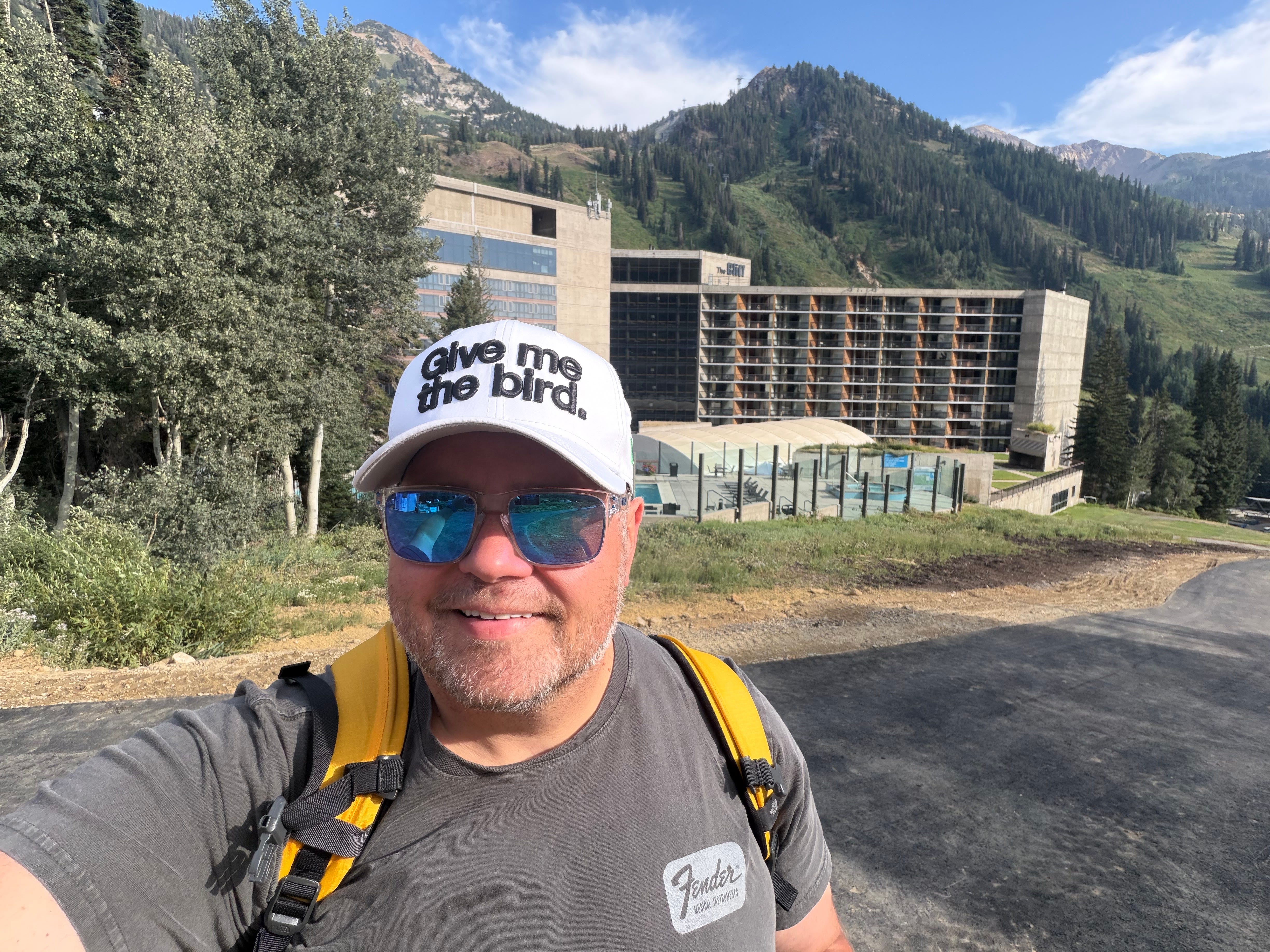
It’s August 28, which means we’re still a long way from clicking into skis in the Cottonwoods. Alta hasn’t announced an official opening date. Neither has Brighton. And despite some increasingly breathless El Niño coverage, nobody knows what kind of winter Utah is going to have yet.
Still, this is about the time of year when ski season starts feeling a little more real.
Resorts are wrapping up summer construction. Snowmaking projects are getting finished. Pass companies are making their final push for customers. Opening dates are beginning to appear on calendars. And before long, we’ll start watching the tops of the Cottonwoods for the first real cold fronts of fall.
A few things happening around the industry right now are especially worth paying attention to.
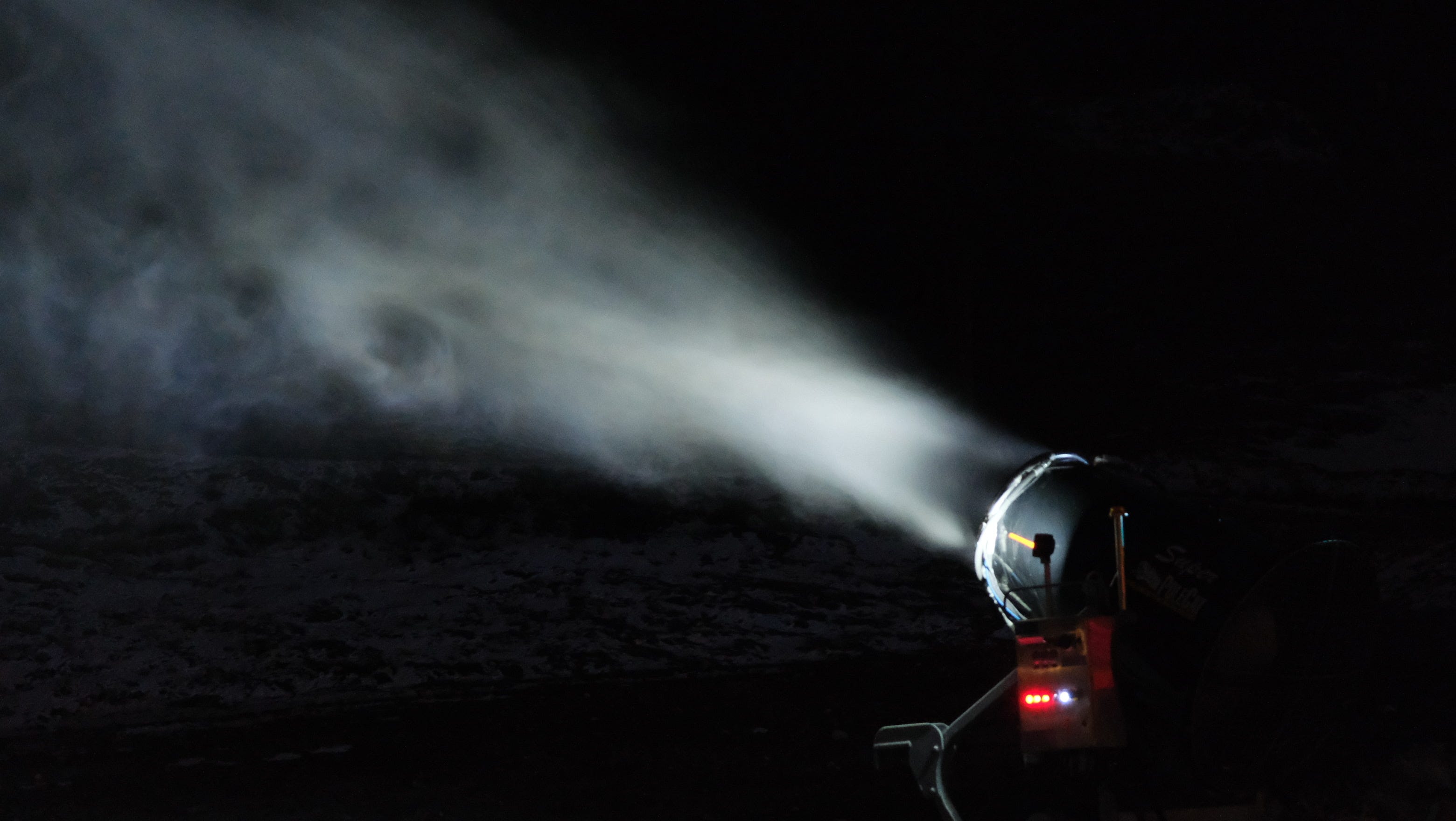
Snowmaking might be the most important investment resorts are making
New chairlifts get most of the attention during the summer, for obvious reasons. A shiny new six-pack is easier to sell than a new pump house or a few miles of pipe.
But some of the more consequential work happening this offseason is snowmaking.
Pats Peak in New Hampshire is building a 21-million-gallon snowmaking reservoir as part of one of the biggest capital projects in the mountain’s history. The idea is pretty simple: when temperatures cooperate, Pats wants to be able to make a lot more snow in a much shorter period of time.
Smugglers’ Notch is making snowmaking improvements as well. Under new owner Bear Den Partners, the Vermont resort is adding infrastructure that includes a pipeline connection between Black Snake and Upper Rum Runner on Sterling Mountain.
Neither project is particularly glamorous, but that’s what makes them interesting.
For smaller resorts—especially in the East—the ability to capitalize on increasingly short snowmaking windows may be more important than adding another lift. A bad December can wreck the most important holiday period of the season. Better snowmaking gives a mountain a fighting chance when Mother Nature doesn’t cooperate.
That’s probably going to become an even bigger part of the ski business over the next decade.
Smuggs will be particularly interesting to watch. It’s a mountain people love partly because it hasn’t been polished into the same experience you can find at dozens of other resorts. New ownership obviously needs to invest in the place, but there’s a line between improving Smuggs and changing what makes Smuggs special.
Starting with basic mountain infrastructure seems like a pretty sensible approach.
There are suddenly a lot of alternatives to Epic and Ikon
For a while, the ski-pass conversation was almost entirely about Epic versus Ikon.
That’s not really true anymore.
Snow Pass entered the market this week at a $339.99 introductory price, offering 28 total ski days across 14 mountains, generally two days at each participating resort. The lineup includes Whiteface, Gore, Belleayre, Pleasant Mountain, Monarch and Snow King.
The more interesting part may be the business model. Snow Pass says participating mountains retain a larger share of pass revenue than they would under competing arrangements.
That puts it into a growing category of products trying to give skiers access to multiple mountains without simply becoming another version of Epic or Ikon.
Indy Pass has already built a loyal following around that idea. Mountain Collective occupies another part of the market. Boyne is building out its own network as well, including a Freestyle Pass offering days at 10 Boyne resorts.
None of these products is about to knock Epic or Ikon off their perch. But collectively they make the pass market much more interesting than it was five years ago.
There’s clearly still demand from skiers who want variety but don’t necessarily want their entire ski season dictated by one of the two biggest pass companies.
That’s probably a good thing for skiing.
The pass fight is also becoming a legal fight
There’s another piece of the pass story worth following.
A Vail Resorts shareholder has filed a derivative lawsuit against the company’s board and CEO, alleging that leadership harmed the company by allowing pricing practices that contributed to broader antitrust litigation surrounding ski passes.
That’s separate from the lawsuits brought by skiers involving Vail, Alterra and other operators.
It’s too early to know where any of this ends up, and lawsuits can make some very dramatic allegations that don’t necessarily survive in court. But the fact that ski-industry consolidation and pass pricing are now producing both consumer litigation and shareholder litigation is notable.
The complaints about consolidation in skiing aren’t new. What’s new is that some of those complaints are moving from chairlift conversations and internet forums into courtrooms.
That makes this one worth keeping an eye on.
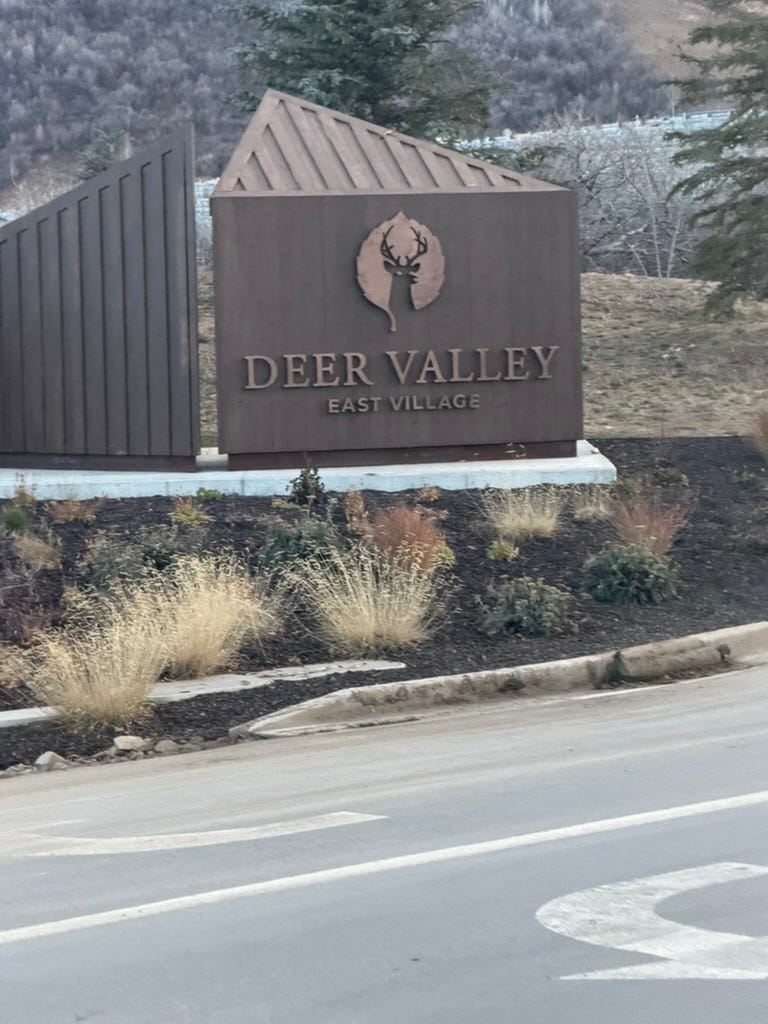
Deer Valley is becoming an enormous ski area
Back in Utah, Deer Valley’s expansion continues to be one of the biggest stories in American skiing.
Hail Peak Express is expected to open in December, bringing roughly another 200 acres and seven runs into the resort.
Deer Valley expects to operate about 4,500 acres and 209 runs this winter after adding 11 lifts since December 2024.
The numbers are remarkable, but I’m increasingly interested in something that doesn’t show up on the trail map: what happens to the identity of a ski area when it grows this quickly?
Deer Valley built its reputation around a very particular experience. It was big, but manageable. Polished. Easy to understand. You could learn the mountain.
At 4,500 acres, that becomes a different proposition.
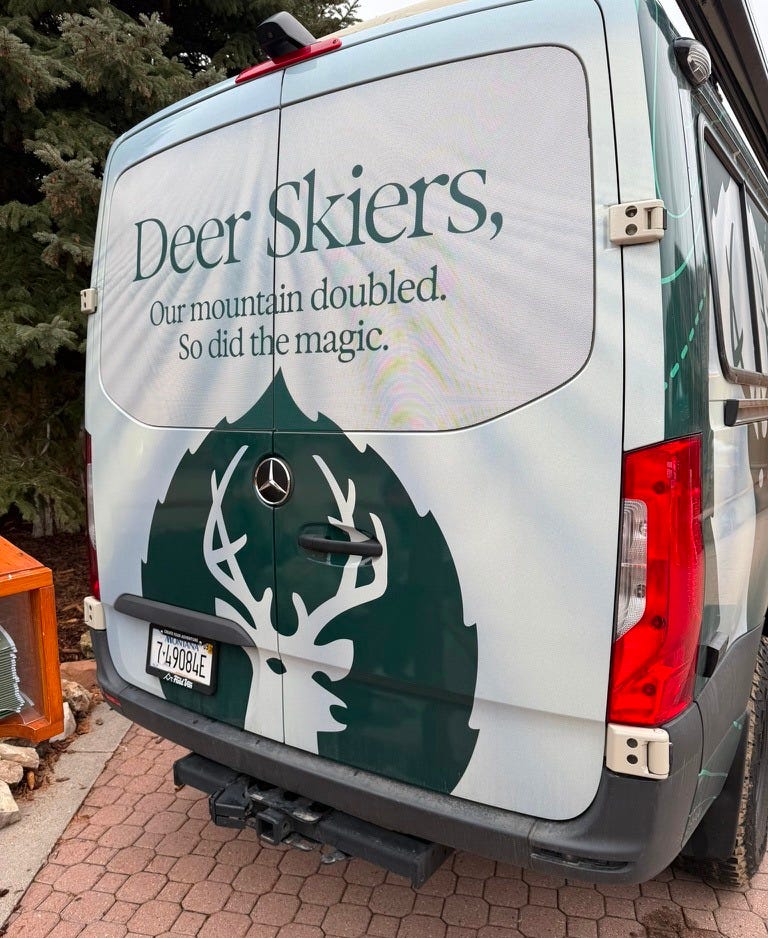
That isn’t necessarily bad. The expanded Deer Valley could be spectacular. But we’re watching one of the fastest transformations of a major American ski resort in recent memory, and it will be interesting to see whether the mountain still feels like one cohesive place when the project is finished.
Alta is taking a very different approach
Alta’s offseason work is considerably less dramatic.
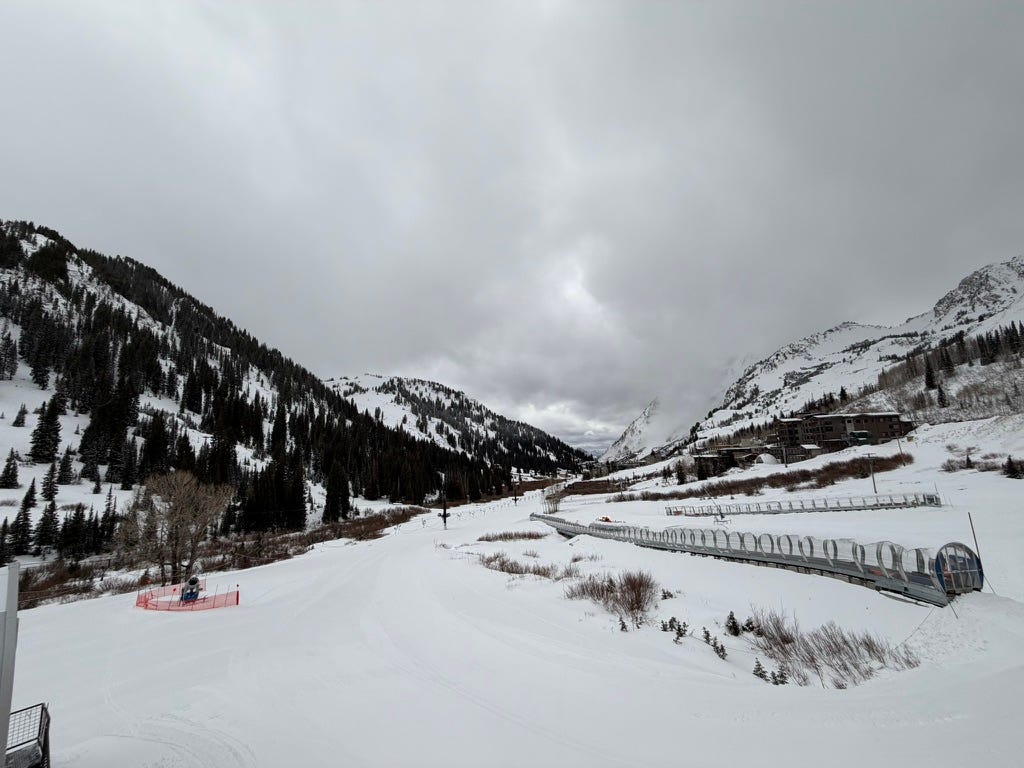
The Albion Day Lodge expansion is expected to open this winter with roughly 3,400 additional square feet of dining space and more patio seating. There’s other infrastructure work happening around the mountain as Alta gets ready for its 89th season.
That’s more or less how Alta tends to operate. Improve things where they need improving without making the place feel completely different every five years.
As for opening day, Alta itself still lists its projected 2026–27 opening as TBD and says late November.
There are November 21 dates floating around elsewhere, but until Alta announces November 21, I wouldn’t put much weight behind it.
Solitude is currently targeting November 20, conditions permitting. Park City is also targeting November 20, while Snowbird is currently tracking toward November 27.
Brighton hasn’t announced a firm date yet.
Brighton does have a new Off-Peak Season Pass this year and is continuing to lean into night skiing, including Sunday night sessions during holiday weekends. I like that approach. Brighton doesn’t need to become Alta or Snowbird. Night skiing is one of the things that gives it a distinct identity in the Cottonwoods, and leaning further into it makes sense.

About that El Niño…
This is also the time of year when long-range winter forecasts start getting passed around as though somebody already knows what February is going to look like.
There are legitimate signs pointing toward a significant El Niño for 2026–27. That makes the upcoming winter interesting.
It does not guarantee a huge Utah snow year.
El Niño can influence the large-scale pattern, but northern Utah doesn’t have a clean relationship where a strong El Niño automatically equals 600 inches at Alta. Temperature matters. Storm track matters. Individual weather patterns matter.
So we’ll follow it.
But I’d rather wait for the atmosphere to actually start showing its hand this fall before declaring another historic winter in August.
Now we wait for the mountains to turn white
That’s where things stand heading toward September.
The most interesting developments aren’t really about snowfall yet. They’re about how the ski industry is positioning itself for when the snow arrives.
Smaller mountains are investing heavily in snowmaking. More companies are trying to carve out space between Epic and Ikon. The legal questions around consolidation are getting more serious. Deer Valley is undergoing a massive transformation while Alta continues changing at Alta speed.
And the Cottonwoods are still green.
For now.
Eventually we’ll get one of those cold September or October mornings when the clouds clear and Superior is white.
That’s when this whole thing starts feeling real again.
Until then, there’s plenty to watch.
— Savage Mountain Collective